
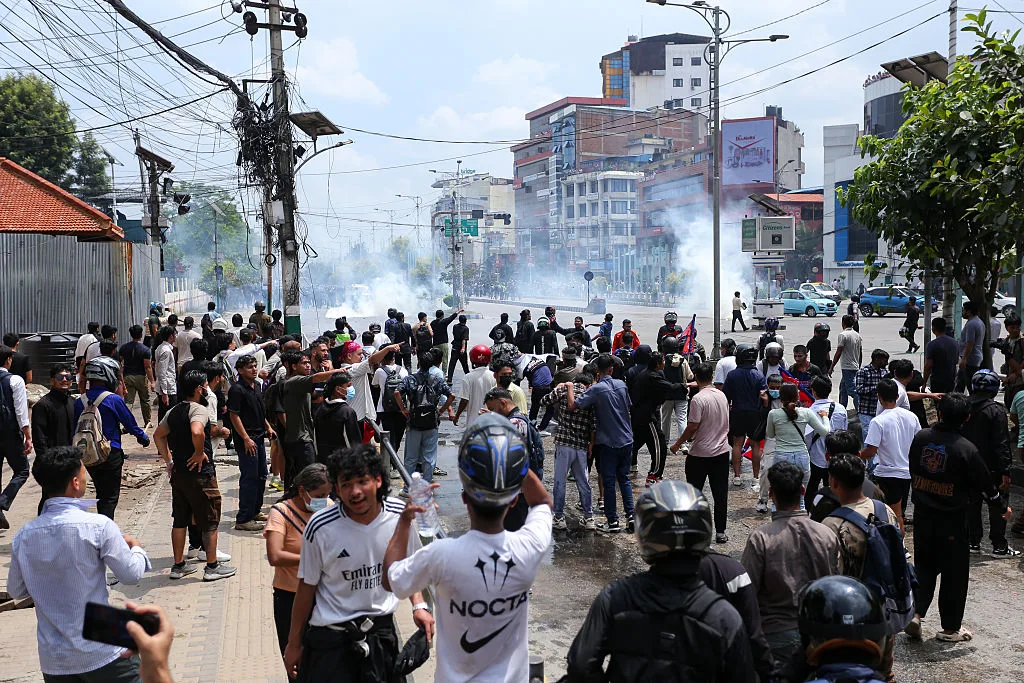
Kathmandu, September 9: Nepal has lifted its social media ban less than a day after anti-corruption protests, dubbed “Gen Z protests,” turned violent and left 19 people dead. The government has also imposed an indefinite curfew in Kathmandu to prevent further unrest.
The ban, introduced last week, restricted access to platforms like Facebook, sparking anger among young people and fueling Monday’s nationwide demonstrations against corruption and lack of economic opportunities.
Communications and Information Technology Minister Prithvi Subba Gurung confirmed the rollback on Tuesday. “We have withdrawn the shutdown of the social media. They are working now,” Gurung told Reuters. Apps were accessible across Nepal on Tuesday morning.
Authorities in Kathmandu announced an indefinite curfew across the city to curb gatherings, rallies, and protests. Kathmandu district administrator Chhabilal Rijal said no assemblies, meetings, or mass gatherings would be permitted.
Neighbouring Lalitpur district also imposed a curfew until midnight Tuesday to contain unrest, after protest organisers called for condolence meetings in memory of those killed.
Prime Minister K.P. Sharma Oli expressed sorrow over the violence, blaming “infiltration from different selfish centres” for the escalation. He announced relief payments for families of the deceased and free medical treatment for the injured.
Oli added that an investigation panel would be set up to determine causes, assess damages, and recommend preventive measures within 15 days.
Organisers described the protests as youth-led demonstrations against corruption, with many participants from Generation Z. They accused the government of failing to take meaningful steps against graft or provide economic opportunities.
The government had justified last week’s social media ban as part of a crackdown on fake IDs, misinformation, and hate speech, but critics said the move suppressed free expression and backfired, igniting nationwide anger.
