

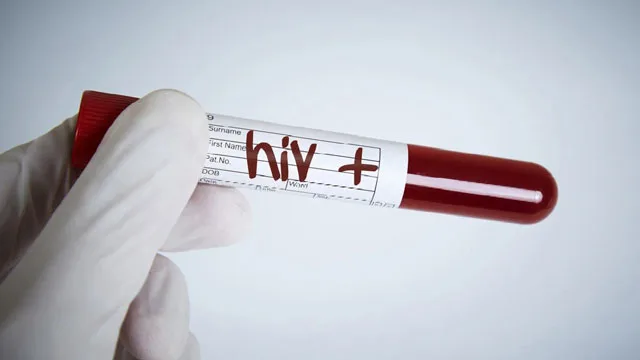
Male, October 14: In a historic global health milestone, the World Health Organization (WHO) has validated the Maldives for eliminating mother-to-child transmission (EMTCT) of hepatitis B, marking it as the first nation in the world to achieve ‘triple elimination’—having previously eliminated HIV and syphilis transmission from mothers to newborns.
“Maldives has shown that with strong political will and sustained investment in maternal and child health, elimination of these deadly diseases is possible,” said WHO Director-General Dr. Tedros Adhanom Ghebreyesus. “This historic milestone provides hope and inspiration for countries worldwide.”
Mother-to-child transmission remains a major global concern, with millions of infections recorded each year. In the WHO South-East Asia Region alone, 2024 estimates indicated that over 23,000 pregnant women had syphilis and 25,000 HIV-positive women required preventive treatment, while hepatitis B continues to affect more than 42 million people.
Dr. Catharina Boehme, Officer-in-Charge at WHO’s South-East Asia Regional Office, praised the Maldives’ health system, saying, “This achievement is a testament to the nation’s dedication to universal health coverage and equitable care, ensuring healthy beginnings and hopeful futures.”
The Maldives’ success stems from its robust and inclusive maternal and child health system. Over 95% of pregnant women in the country receive antenatal care with universal testing for HIV, syphilis, and hepatitis B. Its strong immunization programme has ensured that more than 95% of newborns receive the hepatitis B birth dose, achieving full vaccine coverage. No babies were born with HIV or syphilis in 2022 and 2023, while a 2023 survey confirmed zero hepatitis B cases among schoolchildren.
Health Minister H.E. Abdulla Nazim Ibrahim hailed the achievement, calling it “a moment of immense pride” for the nation. “Achieving triple elimination is not just a milestone but a promise to continue investing in quality healthcare for all,” he said.
WHO Representative to the Maldives, Ms. Payden, commended the collective effort that made this success possible. “This shows how investment in strong health systems and community-based care can transform public health outcomes,” she stated.
Looking ahead, the Maldives plans to sustain this progress through digital health innovations, stronger partnerships, and expanded outreach, with continued WHO collaboration to ensure every child across its islands begins life disease-free.
