
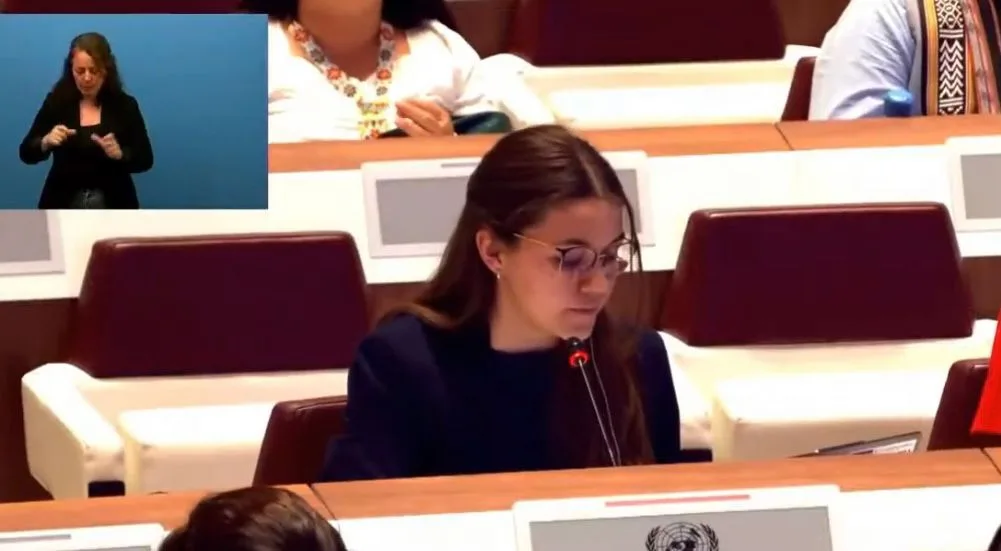
Geneva, July 28: The Global Naga Forum (GNF), in collaboration with the Unrepresented Nations and Peoples Organisation (UNPO), raised critical human rights concerns affecting the Naga people at the 18th session of the United Nations Expert Mechanism on the Rights of Indigenous Peoples (EMRIP) held in Geneva.
Addressing the forum under Agenda Item 5, focused on implementing the United Nations Declaration on the Rights of Indigenous Peoples (UNDRIP) — UNPO delivered a joint statement on behalf of GNF and the Nagas, underscoring ongoing violations in Naga-inhabited areas across Nagaland, Manipur, Arunachal Pradesh, Assam, and regions along the Indo-Myanmar border.
The statement criticised the Government of India for failing to honour the 2015 Framework Agreement, which was meant to acknowledge the unique history, identity, and self-governance of the Naga people. It condemned the continued enforcement of the Armed Forces Special Powers Act (AFSPA), citing the 2021 Oting killings as a stark reminder of the law’s violent consequences.
GNF and UNPO argued that India’s current policies — including AFSPA, border fencing, and the dismantling of the Free Movement Regime — have disrupted traditional economies, cut off cross-border kinship ties, and blocked indigenous access to farmland and trade routes. These actions, the statement noted, violate key provisions of the UNDRIP, particularly Articles 20, 23, and 26.
The organisations called for the full implementation of the Framework Agreement, the repeal of AFSPA in Naga territories, and restoration of the Free Movement Regime along the Indo-Myanmar border. They also urged India to explore Indigenous-led alternatives to border fencing and formally recognise the legal status of Indigenous Peoples in line with international standards.
“UNPO reaffirmed that the Naga people remain committed to dialogue and to working constructively toward a just and peaceful resolution — one that respects their dignity, heritage, and right to self-determination,” the statement concluded.
