

By Our Staff
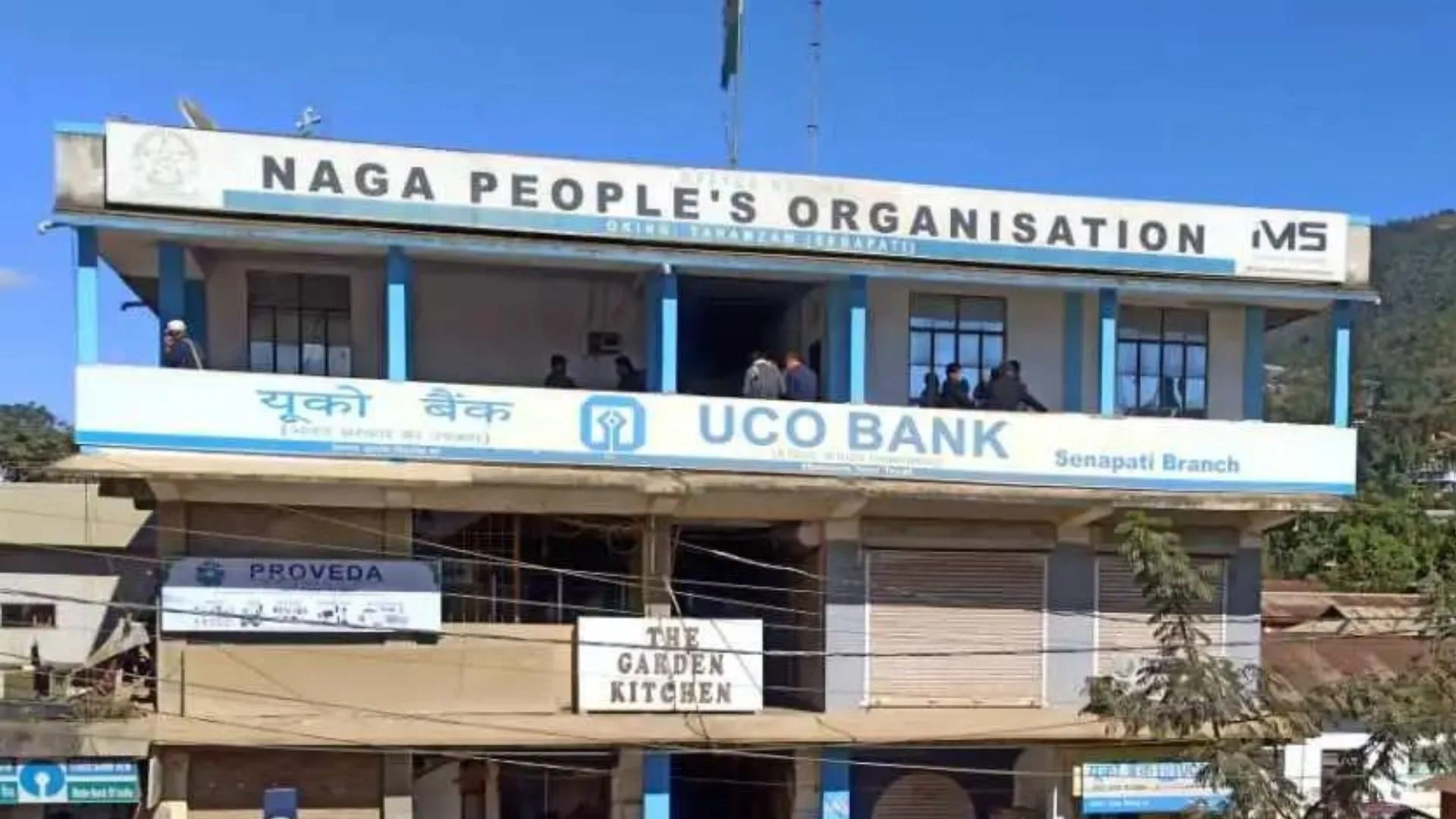
SENAPATI, Nov 12: What was meant to be a peaceful dharna by the Youth Rise for Change (YR4C) movement against corruption in Senapati district took an unexpected turn on 11th Nov 2025 when executives of the Naga People’s Organisation (NPO) arrived midway through the dharna, reminding participants that any form of protest, rally, or gathering requires prior permission from the organisation as per their resolution passed on May 13, 2025.
The NPO’s press release, issued by its Information & Publicity Wing, announced restrictions on all forms of protests, bandhs, strikes, rallies, fairs, and unauthorised meetings within Senapati Town or its municipal areas without prior approval from the NPO “to maintain peace and order.” The organisation further warned that any individual or group violating this directive would face legal action.
However, the timing and nature of the announcement coming amidst a youth-led anti-corruption demonstration has drawn widespread public criticism.
The Youth Rise for Change movement has been vocal about exposing corruption, particularly concerning alleged irregularities in the implementation of the Jal Jeevan Mission (JJM) in Senapati district. Their dharna, which sought accountability and transparency from PHED Department, was interrupted when NPO executives approached the site to reiterate their resolution.
This move has ignited a wave of discontent among citizens who see the NPO’s action as an attempt to suppress a legitimate, peaceful movement.
Social media erupted shortly after the incident, with residents expressing disbelief and disappointment at the NPO’s intervention. Many described it as “the first-ever hilarious incident in the history of Senapati” — a moment when the apex body of the district allegedly stood against its own people.
Critics argued that the NPO’s directive contradicts the constitutional rights to freedom of speech, assembly, and movement, questioning by what authority the organisation could restrict gatherings intended for public good.
Others went further, accusing the NPO leadership of failing to protect the community from exploitation by “certain shameless politicians acting through local subcontractors.” Citizens lamented that while families continue to struggle with acute water scarcity, the NPO appears more concerned about enforcing permissions than addressing ground-level grievances.
Some comments reflected cynicism about the timing of the NPO’s actions, alleging that several civil society organisations (CSOs) were too preoccupied with preparations for the upcoming Barak Festival 2025 to engage with pressing issues of corruption and governance. “For our Senapati CSOs, festival is more important than people’s suffering,” one citizen wrote, echoing a sentiment of growing disillusionment.
Many voices demanded that the NPO clarify its stance on the YR4C dharna, urging the body to “come clean” on why it intervened in a peaceful anti-corruption protest. Several questioned the NPO’s claim to authority, noting that the District Administration, led by the Deputy Commissioner (DC), is the legally recognised competent authority for public gatherings, not the NPO.
“If NPO considers itself the competent authority, then they must also take responsibility for Senapati’s persistent issues—road connectivity, water, electricity, and healthcare,” one social media post read.
Others appealed for introspection, reminding the NPO that neutrality should be the minimum expectation from an organisation claiming to represent the people. Instead, its action, many said, reflected a “who-is-the-boss” attitude that undermines the very values it was established to uphold.
This episode has raised a larger question in Senapati—who truly represents the voice of the people? While the NPO insists its resolution is meant to preserve peace, many residents see it as a silencing tool that undermines grassroots democracy and discourages youth-led activism.
Peaceful protests and civic movements are the lifeblood of any functioning democracy. The Constitution of India guarantees these freedoms, provided they are exercised responsibly. When local institutions appear to contradict these rights, even with good intentions, they risk alienating the very citizens they were meant to serve.
The Youth Rise for Change movement, driven by young volunteers spending their time and resources to expose corruption, reflects a growing impatience among Senapati’s youth—a generation that demands transparency, accountability, and moral integrity from both political and social leaders.
Whether the NPO’s intervention was a misunderstanding, a misstep, or a deliberate assertion of control remains to be seen. But one thing is clear: the people of Senapati are watching—and their voices, amplified across social media and in the streets, are growing louder by the day.
This report does not take sides but calls for mutual respect, dialogue, and a reaffirmation of democratic values within the Senapati community. For lasting peace and progress, both leadership and youth must find common ground in the shared goal of eradicating corruption.

How about GPRN? The most corrupt government in existence. No developmental work for people. All living lavish lives.
When are we going to rise against GPRN?
When you discard Indian Govt, why do you behave like their slaves? Question the one you treat as your government.